The body arrives first
Before a difficult set, a presentation or an important conversation, the body starts predicting danger. Breathing becomes high and quick. The jaw tightens. Attention collapses onto the possibility of failure. We often call this nerves as if the activation were an intruder.
I have learned to treat it as energy without instructions. The task is not to become numb. The task is to give the energy a structure: feet on the ground, an exhale that is easy and unforced, eyes that can still see the whole room, and one clear first action.
“Calm is not less energy. It is energy that still belongs to you.”
Regulate, then respond
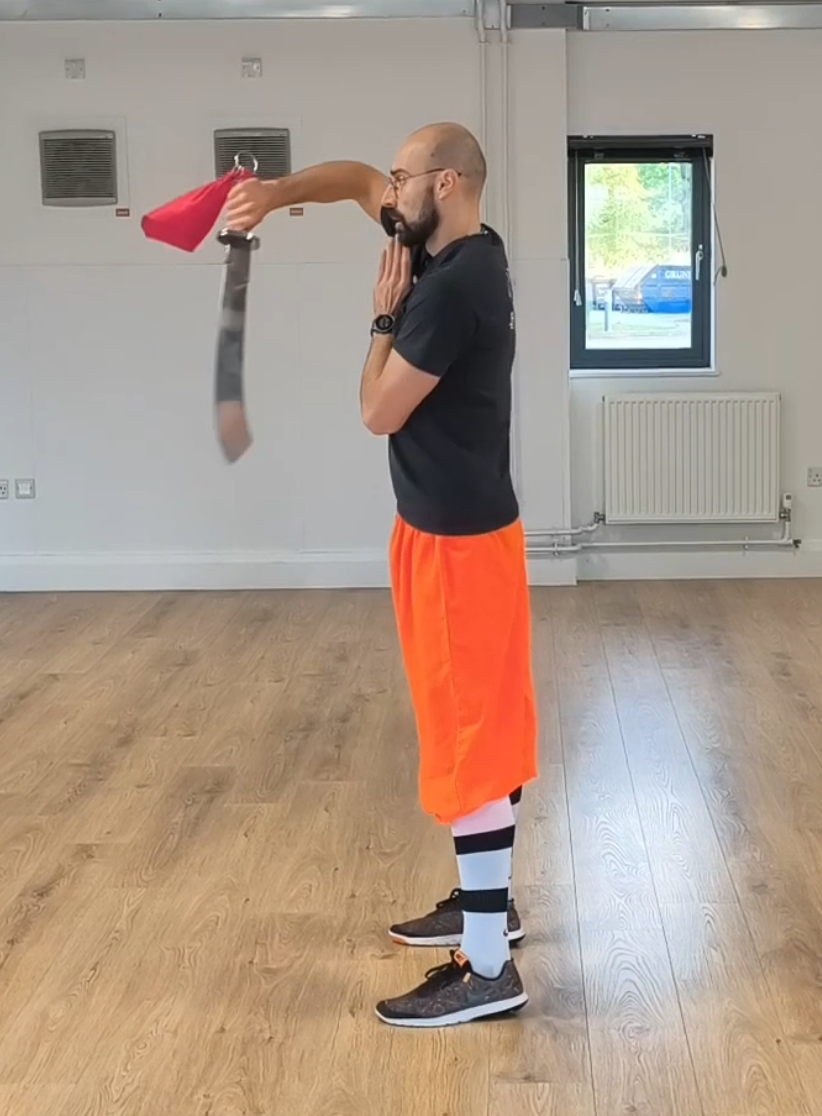
Martial training makes this visible. A technique performed from panic may be fast, but it is rarely free. A calmer body does not mean a weaker body; it means power remains connected to perception.
The same is true in communication. When I react immediately, I often defend an interpretation rather than respond to the person in front of me. One breath cannot solve every conflict, but it can create enough space to listen before my fear writes the next sentence.
Quiet power
Quiet is therefore a performance skill. It preserves options. It lets the scientist notice the anomalous point, the teacher notice the frightened student, and the partner notice what is being asked beneath the words.
This is the Monk inside the Spartan: not an escape from intensity, but the part of us that can remain present when intensity arrives.
A practice before the moment
I train quiet before I need it. Meditation, standing practice and slow breath observation are repetitions performed in low-stakes conditions, so the route back to composure is more familiar when a presentation, experiment or conversation carries real consequences.
The breath pattern is deliberately modest: comfortable nasal breathing where possible, without trying to fill the lungs dramatically, and an exhale that becomes slightly longer than the inhale. The aim is not to chase a special sensation but to reduce unnecessary urgency.
Then attention returns to the task. Regulation is not the destination; it is preparation for useful action. Quiet power means the body can be activated while the mind remains available to perceive, listen and choose.
Before the next demanding moment, soften your gaze and take three comfortable breaths with a slightly longer exhale. Then name the first useful action.
The conversation